Breakdown Maintenance: Top Mistakes That Lead to Repeated Failures
Many businesses experience the same frustrating pattern. Equipment fails. Production stops. Repairs take place. Everything starts again. Then the same problem returns weeks or even days later. These repeated failures drain budgets, reduce productivity, and place pressure on staff. Because of this, understanding breakdown maintenance mistakes becomes essential for business and factory owners who want stability and efficiency across their sites.
Although some breakdowns are unavoidable, most repeat failures link to avoidable issues. These issues often develop quietly over time. They grow worse until a complete failure occurs. With the right insight, you can stop this cycle.
This blog explores the most common mistakes that lead to repeated breakdowns. It also explains how to prevent them with better planning, consistent checks, and proactive maintenance.
Why Businesses Rely Too Heavily on Breakdown Maintenance
Many sites only fix equipment when it fails. This reactive approach seems simple. Yet it hides long-term costs. Breakdown maintenance often results in:
- Higher repair bills
- Lost production time
- Increased safety risks
- Lower equipment lifespan
- Poor energy efficiency
Mistakes That Lead to Repeated Failures
Therefore, a reactive-only mindset becomes expensive. It is also disruptive. Understanding where businesses go wrong helps you avoid repeated failures.
1. Ignoring Early Warning Signs
Equipment rarely fails without warning. Strange noises, slow performance, inconsistent temperatures, and unusual smells all indicate problems. However, many teams ignore these signs due to time pressure or workload.
This mistake increases reliance on breakdown maintenance. Small faults become major failures. Reacting late costs more and creates more disruption.
Early reporting and quick action prevent many breakdowns.
2. Skipping Routine Checks and Servicing
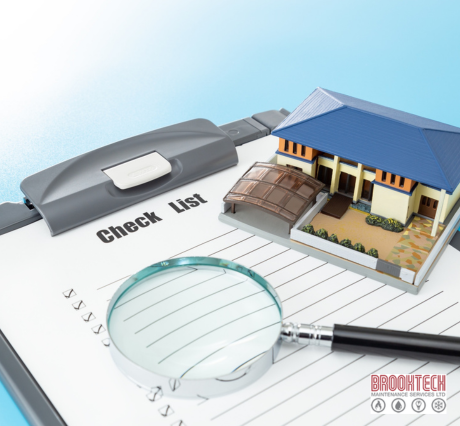
Many businesses postpone servicing because equipment “seems fine.” Yet dirt build-up, lubrication issues, loose connections, and minor wear all go unnoticed until something fails.
Regular servicing reduces breakdown maintenance because engineers identify problems early. They clean, test, tighten, and optimise equipment. As a result, your systems remain stable and compliant.
3. Using Multiple Contractors Without Clear Oversight
When separate contractors handle different services, problems fall between gaps. One contractor notices an issue but cannot fix it. Another arrives later but lacks full system knowledge. This results in repeated breakdown maintenance because no one manages the entire picture.
A coordinated approach ensures faster diagnosis and long-term solutions.
4. Relying on Outdated or Worn-Out Equipment
Some equipment operates beyond its intended lifespan. Old boilers, pumps, motors, and electrical panels become less reliable with age. Their performance drops. Energy use increases. Breakdowns become more frequent.
Continued reliance on old systems leads to constant breakdown maintenance. Upgrading key assets reduces downtime and improves efficiency.
5. Poor Documentation and Asset Tracking
Many failures occur because maintenance history is unclear. Without records, engineers cannot understand past problems or recurring faults. This leads to repeated breakdowns without addressing root causes.
Proper asset tracking supports better planning and stronger long-term reliability.
6. No Dedicated Maintenance Budget
Some businesses avoid planned maintenance because they fear the cost. Ironically, this approach increases spending. Emergency callouts cost more. Reactive work disrupts operations. Equipment replaced in a rush often costs more than a planned upgrade.
Without a dedicated maintenance budget, breakdown maintenance becomes the default rather than the exception.
7. Overloading Systems Due to Production Pressure
Many factories push equipment beyond safe limits during busy periods. Overheating, excessive speed, and constant operation strain systems. These actions shorten the lifespan of vital components.
Repeated stress leads to repeated breakdowns. Planned limits and correct operation prevent unnecessary failures.
8. Not Training Staff to Spot and Report Problems
Operators know equipment best. However, if they do not receive training, they miss early warning signs. As a result, faults go unreported until systems fail.
Empowered staff with knowledge, confidence and clear reporting systems will act as the first line of defence for any potential breakdown issues.
How to Prevent Repeat Breakdowns and Reduce Breakdown Maintenance
Although reactive repairs feel unavoidable, most breakdowns can be prevented. The right strategy protects assets, reduces downtime, and cuts long-term costs.
Here are the most effective steps:
1. Invest in Planned Preventive Maintenance
A structured plan reduces the need for breakdown maintenance by addressing issues early. Engineers inspect systems, carry out key checks, and replace worn parts before they fail. This proactive approach keeps your business running smoothly.
2. Use a Single Multi-Discipline Maintenance Provider
One provider offers better visibility across all systems. They understand how electrical, mechanical, heating, and plumbing systems connect. This leads to faster diagnosis and fewer repeat issues.
A single provider also simplifies scheduling and compliance.
3. Upgrade Equipment When Needed
Some failures occur because equipment no longer meets modern demands. Planned upgrades reduce breakdown maintenance by introducing more efficient, reliable systems.
4. Keep Accurate Maintenance Records
Documentation helps engineers identify recurring patterns. It supports smarter decision-making and better long-term planning. Good records prevent unnecessary breakdown maintenance by highlighting root causes.
5. Train Your Team to Report Problems Early
Clear communication reduces risk. When staff understand what to look for, they prevent faults from escalating into breakdowns.
Reduce Breakdown Maintenance With Brooktech
We support businesses across the North West with expert maintenance, fast repairs, and full Planned Maintenance Programmes. Our multi-discipline team covers heating, gas, plumbing, water treatment, electrical systems, air conditioning, refrigeration, and mechanical services.
We help you reduce breakdown maintenance through:
- Proactive inspections
- Tailored Planned Maintenance Programmes
- Fast response to urgent issues
- Clear reporting and practical advice
- Installation and maintenance of new systems
- Multi-skilled engineers who understand your entire site
As a trusted family-run business, we focus on quality, reliability, and minimal disruption. If you want to move away from constant breakdown maintenance, contact us today to protect your assets and improve operational stability.